As far as I can tell, the body is first cremated, then the ashes and remaining fragments of bone are either stored in an urn and kept near the hearth of the home or at a separate little shrine; or, if the family is wealthy, the burnt remains will be displayed openly in raised circles on the floor (mixed with soil?) deep within a family tomb.
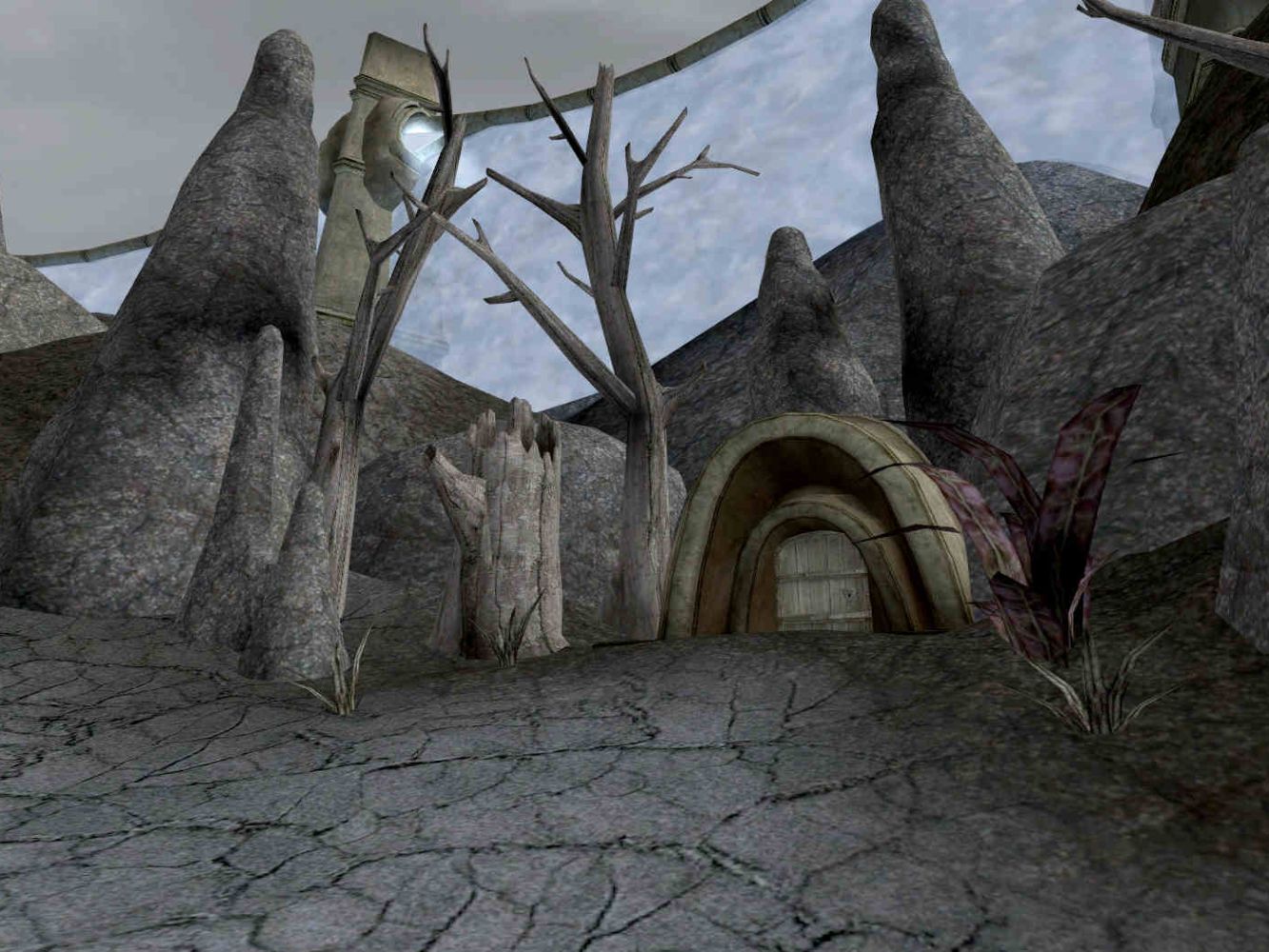
Tombs can house numerous ancestors, some circles grouped within a single chamber, and others dispersed throughout the tomb. The tombs are designed for the living members of the family to visit and interact with the dead. Prayer stools are placed before each circle, and offerings (usually food, herbs, or flowers) are laid upon the raised barrier fencing off the cremated remains. Sometimes chests and lockboxes will be placed nearby in which to place more valuable offerings (gold, weapons, armour) to prevent them from being stolen. Often within the tomb will be a chamber for sermons with numerous benches lined along both sides of the walls.
The dead in this practice are treated as entities that must be appeased to bring good fortune and strength to the entire family. They are risen almost to the status of gods. This reminds me a lot of the worship of the gods of Olympus in Ancient Greece, especially in the giving offerings in exchange for 'blessings' of good fortune in certain endeavors.
I looked up modern practices of ancestor worship and came across a neat little article describing a personal experience of gathering at a family tomb in Okinawa, Japan. It can be found here.

No comments:
Post a Comment